
Pregnancy & Breastfeeding Safe Skincare: What’s Truly Okay (and What to Avoid)
What Classifies as Pregnancy Safe Skincare in Dallas, TX?
Finding out you are expecting a baby brings a wave of excitement, joy, and plenty of questions. Suddenly, every habit and product in your daily routine goes under a microscope. You start reading food labels, adjusting your exercise routine, and wondering about your favorite beauty products. Navigating the skincare aisle can feel overwhelming when you have a baby on board. Your skin might be changing rapidly, but the products you previously relied on might no longer be recommended. It is completely normal to feel confused about which serums, cleansers, and creams are actually safe for your growing baby. We understand the struggle of maintaining a healthy glow while keeping your baby protected. At EpiCentre Skin Care & Laser Center in Dallas, Texas, we help build effective, pregnancy-safe skincare routines. This guide will walk you through exactly what is truly okay to use, which ingredients to toss, and how to treat common skin issues during this special time.

How Pregnancy and Breastfeeding Affect the Skin
Hormones fluctuate wildly during pregnancy and the postpartum period. These internal shifts often show up directly on your face and body. Many women experience the famous pregnancy glow, courtesy of increased blood volume. However, others face entirely new, frustrating skin challenges. One of the most common issues is melasma, often called the mask of pregnancy. This condition causes dark, hyperpigmented patches on the cheeks, forehead, and upper lip. Additionally, changing estrogen and progesterone levels can trigger severe breakouts, even if you haven’t had a pimple since high school. You might also notice increased dryness, new sensitivities, or stretch marks as your body changes.
Safe Skincare Ingredients During Pregnancy
You do not have to abandon your entire beauty routine just because you are pregnant. Plenty of effective ingredients can help you manage breakouts, dryness, and dullness without posing a risk to your baby. Building a pregnancy-safe skincare routine relies on choosing gentle, nourishing ingredients. Hyaluronic acid is a fantastic option for safely hydrating dry, stretched skin. It holds moisture without clogging pores. For brightening the skin and fighting free radicals, Vitamin C is considered safe and highly effective.
Niacinamide is another gentle powerhouse that helps calm inflammation and manage uneven skin tone. Finally, always protect your skin from the sun to prevent melasma from worsening. Opt for mineral sunscreens containing zinc oxide or titanium dioxide, as these sit on top of the skin rather than being absorbed into the bloodstream.
Ingredients to Avoid During Pregnancy
While many products get the green light, certain active ingredients pose potential risks to a developing fetus. Knowing the ingredients to avoid during pregnancy is crucial for your peace of mind and your baby’s health. Retinoids are at the top of the do-not-use list. This includes retinol, Retin-A, retinyl palmitate, and tazarotene. High doses of Vitamin A have been linked to severe birth defects. Hydroquinone, a popular skin-lightening agent used for dark spots, is also discouraged because a high percentage of it is absorbed into the skin. You should also pause your use of high-concentration chemical sunscreens like oxybenzone, as well as certain essential oils that can trigger uterine contractions.
Pregnancy Acne Treatment: What Actually Works
Dealing with hormonal breakouts while pregnant can be incredibly frustrating, especially when your go-to strong acne-fighting products are off-limits. Fortunately, a safe and effective pregnancy acne treatment plan is absolutely possible. Azelaic acid is widely considered the gold standard for treating acne during pregnancy. It reduces inflammation, kills acne-causing bacteria, and helps fade the dark marks left by pimples. Low concentrations of glycolic acid or lactic acid (AHA exfoliants) are generally considered safe for unclogging pores and sweeping away dead skin cells. If your breakouts are severe, your doctor might prescribe topical clindamycin, a safe antibiotic that targets stubborn acne bacteria. Always discuss these options with your OBGYN before starting a new regimen.
Breastfeeding-Safe Skincare and Treatments
Once your baby arrives, you might wonder whether you can return to your old skincare routine right away. The truth is, safe skin treatments for breastfeeding still require a cautious approach. Whatever you apply to your skin can potentially enter your bloodstream and pass into your breast milk. Most of the rules from pregnancy still apply while nursing. You should continue to avoid retinoids and hydroquinone. However, some dermatologists might green-light lower concentrations of salicylic acid (BHA) for spot treatments, though it is best to get explicit clearance from your pediatrician. Focus on soothing, restorative ingredients like ceramides and peptides to help rebuild your skin barrier during those sleepless newborn nights.
In-Office Treatments: What Is Safe vs. Not Safe
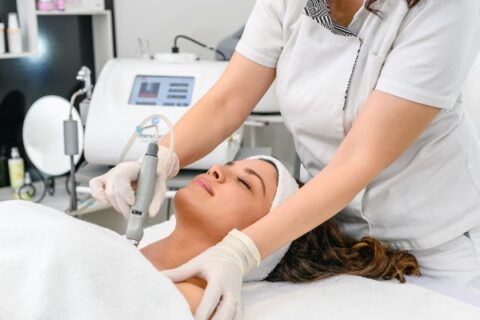
Pregnancy and nursing often inspire a desire for some well-deserved pampering. However, the menu of cosmetic procedures shrinks significantly when you are expecting or nursing. Safe in-office treatments generally include hydrating facials, mild oxygen treatments, and light dermaplaning to remove peach fuzz and dead skin. These treatments stay on the skin’s surface and do not introduce harsh chemicals into your system. On the other hand, you must avoid Botox, dermal fillers, intense chemical peels, and most laser treatments. There is not enough clinical data to prove these are safe for a developing baby, so medical professionals strictly avoid them until after you have finished nursing.
When to Consult a Dermatologist
Sometimes, over-the-counter products do not cut it. If you are experiencing painful cystic acne, severe melasma, or unexplained rashes (like PUPPP, a specific pregnancy-related rash), it is time to seek professional help. Do not try to play a guessing game with your skin health. A board-certified professional can review your current products, assess your changing skin, and prescribe safe alternatives. If you are located in Dallas, Texas, the experts at EpiCentre Skin Care & Laser Center are ready to help you formulate a customized, pregnancy-safe regimen that keeps you glowing safely.
Guiding Your Skin Through Motherhood
Your body does incredible work during pregnancy and postpartum. Treating your changing skin with kindness, patience, and safe ingredients is an important part of your self-care journey. By knowing what to avoid and embracing pregnancy-safe alternatives, you can confidently manage breakouts and melasma while protecting your little one. Keep your routine simple, prioritize sun protection, and always lean on medical professionals for guidance. If you need professional assistance with your skin, contact us today for an appointment.

Build Your Men’s Skincare Routine in Dallas, TX
Waking up with red, irritated skin after a morning shave is a frustrating start to any day. Many…
Better Your Skin With Décolletage Rejuvenation in Dallas, TX
Most skincare routines stop at the jawline. We spend countless hours and dollars…