
Chemical Peels at Home vs. In-Office: Safety, Strengths & When to See a Dermatology Team
At-Home vs Professional Chemical Peels in Dallas, TX
Achieving radiant, smooth skin often requires looking beyond your daily cleanser and moisturizer. Many people turn to chemical exfoliants to refresh their complexion, fade dark spots, and reduce the appearance of fine lines. You will find endless options on the market, ranging from mild drugstore serums to intensive medical-grade treatments. Deciding which route to take can feel overwhelming. You might wonder if a bottled solution from your local pharmacy can deliver the same results as a clinical treatment. The reality is that both options serve completely different purposes. Understanding these differences is crucial for protecting your skin barrier and achieving the results you actually want. If you are located in Dallas, Texas, the experts at EpiCentre Skin Care & Laser Center can help you navigate these choices. This guide explains everything you need to know about at-home vs. professional chemical peels, helping you make the safest and most effective decision for your skin.
What Exactly Is a Chemical Peel?
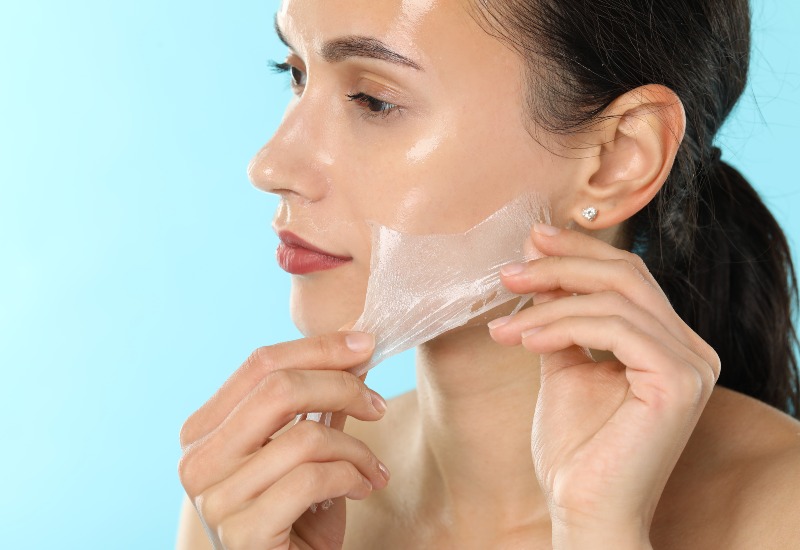
A chemical peel is a skin-resurfacing procedure. It involves applying a chemical solution to the skin to remove the top layers. The skin that grows back is typically smoother, brighter, and younger-looking. These solutions use various acids, such as alpha-hydroxy acids (AHAs), beta-hydroxy acids (BHAs), or trichloroacetic acid (TCA), to loosen the bonds between dead skin cells. As those dead cells shed, fresh skin emerges. People use these treatments to address a variety of concerns, including acne scars, sun damage, hyperpigmentation, and uneven texture.
At-Home Chemical Peels: What They Can (and Can’t) Do
At-home chemical peels have gained massive popularity. These products are readily available online and in beauty stores. They usually contain low concentrations of mild acids, such as glycolic acid, lactic acid, or salicylic acid. Because they are formulated for consumer use, they are designed to be relatively gentle. You can use them to maintain a healthy glow, keep your pores clear, and lightly exfoliate your skin. They are highly convenient and generally affordable. However, at-home peels have significant limitations. They cannot penetrate deeply into the skin. If you have severe acne scarring, deep wrinkles, or stubborn melasma, a drugstore peel will not provide dramatic changes. Using these mild products incorrectly or too frequently can also damage your skin barrier, leading to irritation, redness, and increased sensitivity.
Professional In-Office Chemical Peels: What Makes Them Different
Professional treatments operate on a completely different level. When you visit a clinic like EpiCentre Skin Care & Laser Center, you gain access to medical-grade formulations. These solutions contain higher concentrations of active ingredients and are formulated at lower pH levels, allowing them to penetrate further into the skin. A professional treatment is highly customized. A skincare specialist will evaluate your specific skin type, tone, and concerns before selecting the appropriate acid blend. They closely monitor your skin’s reaction during the application to ensure the chemical peel’s safety and efficacy. This personalized approach allows professionals to treat complex skin issues that over-the-counter products simply cannot resolve.
Superficial vs. Medium vs. Deep Peels
Understanding the different depths of peels is essential when exploring your options. The strength of the peel determines how far the acid penetrates and how much downtime you will need.
- Superficial Peels: These are the mildest professional peels. They only penetrate the outermost layer of the skin (the epidermis). Superficial peels use mild acids, such as low-strength glycolic or salicylic acid. They are excellent for mild skin discoloration and rough texture. Recovery time is minimal, often resulting in just a few days of light flaking.
- Medium Peels: Medium peels reach the epidermis and the upper part of the middle layer of skin (the dermis). They often use trichloroacetic acid (TCA) or stronger glycolic acid. These treatments effectively target age spots, fine lines, freckles, and moderate skin discoloration. You can expect a longer recovery period, usually involving noticeable peeling and redness for about a week.
- Deep Peels: A deep peel penetrates down to the lower dermal layer. Professionals use phenol or high-strength TCA for these procedures. They provide dramatic improvements for deep wrinkles, severe sun damage, and pronounced scars. Because of their intensity, deep peels require significant downtime and strict aftercare protocols. When comparing a superficial peel to a deep peel, the deep peel offers the most dramatic transformation but carries a higher risk profile and a longer recovery.
Chemical Peel Safety: What You Need to Know
Chemical peel safety should always be your top priority. Applying acids to your face requires care and precision. With at-home products, you must follow the instructions exactly. Leaving an acid on your skin for too long can cause chemical burns. You must also wear daily sunscreen, as exfoliating acids make your skin highly sensitive to ultraviolet light. Professional peels require careful pre-care and post-care. Your skincare provider will give you specific instructions on preparing your skin in the weeks leading up to your appointment. Afterward, you will need to keep your skin hydrated, avoid picking at peeling skin, and strictly avoid sun exposure. Attempting to buy and apply professional-grade peels yourself at home is highly dangerous and can lead to permanent scarring and hyperpigmentation.
When to Choose At-Home Peels vs. Professional Peels
Choosing between at-home and professional chemical peels depends primarily on your specific aesthetic goals and the current condition of your skin. At-home peels are an excellent choice for those looking to maintain results from previous professional treatments, address minor dullness, or for beginners who wish to introduce exfoliating acids into their routine slowly. Conversely, a professional peel is the superior option if you are seeking significant improvements in a short timeframe or are dealing with more stubborn concerns like deep wrinkles, acne scarring, and hyperpigmentation. By opting for a professional setting, you also benefit from a customized treatment plan tailored to your unique skin profile under the safety and supervision of a trained expert.
When to See a Dermatology Team
Sometimes, over-the-counter products are not enough. If you have been using at-home peels without seeing the results you desire, it is time to seek professional advice. Furthermore, if you experience adverse reactions from an at-home product—such as severe redness, burning, or prolonged irritation—you should stop using it immediately and consult an expert. Finding a qualified chemical peel dermatologist or specialized skincare clinic ensures your skin is in safe hands. They have the knowledge and tools to evaluate your skin health and recommend the appropriate treatments. If you live in the Dallas, Texas area, the team at EpiCentre Skin Care & Laser Center is ready to help you achieve your skincare goals. Our experts can guide you through the process, recommend the appropriate peel depth for your concerns, and ensure you achieve a brighter, healthier complexion safely. Contact us today to schedule your personalized consultation.
Injectable fillers have become a highly sought-after solution in nonsurgical cosmetic treatments, offering a minimally invasive option for facial…

EpiCentre Skin Care & Laser Center offers cutting-edge body treatments customized to meet the unique needs of our clients. We understand that…